Selecting the Right General Contractor: Your Comprehensive Guide to Winning Construction Projects
Choosing the right general contractor is a critical step in any construction project. It demands thorough consideration of multiple factors, including project details and budget constraints. A well-chosen contractor can significantly influence the project's success. Yet, the process of finding the right fit is not always straightforward. Understanding the important steps and considerations can make all the difference in achieving a satisfactory outcome. What should one focus on in this selection process?
Understanding the Role of a General Contractor
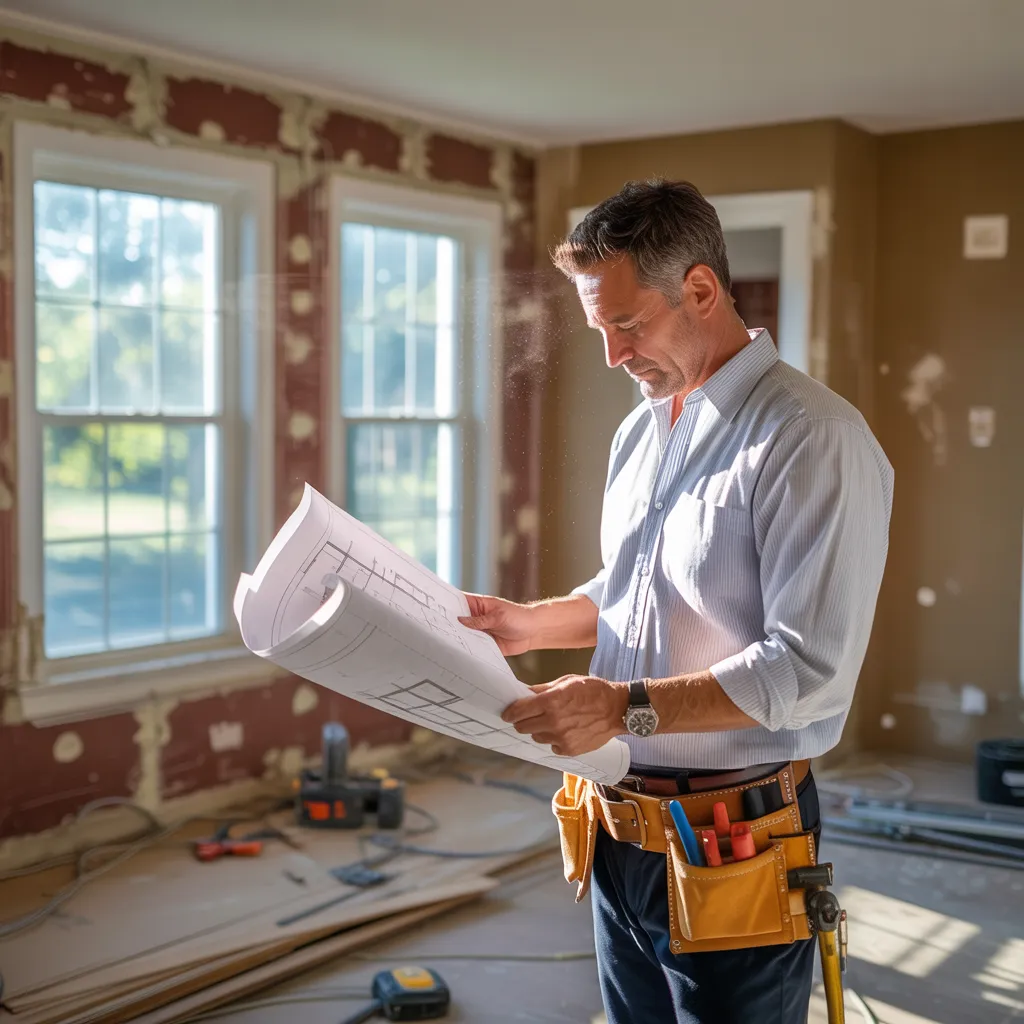
Though many homeowners could underestimate the complexity of construction projects, recognizing the role of a general contractor is critical for a prosperous build. A general contractor serves as the main figure in directing a construction project, coordinating numerous components to ensure efficiency and adherence to timelines. They direct subcontractors, establish contracts, and secure required permits, ensuring compliance with local codes.
In addition to project management, a general contractor is responsible for overseeing the budget and making changes as necessary throughout the construction work. They act as a liaison between the homeowners and the construction team, enabling communication and handling any concerns that emerge. Their expertise is crucial in addressing issues that may arise, limiting delays and additional costs. Eventually, a skilled general contractor can greatly influence the quality and outcome of a construction project, making their selection a pivotal step in the overall process.
Outlining Your Project Requirements and Budget
Defining project specifications and budget is a critical step in the contracting process. Assessing the project scope permits individuals to identify essential requirements and constraints, while setting budget parameters secures financial feasibility. This groundwork creates the foundation for productive collaboration with a general contractor.
Review Project Extent
Assessing the project scope is a vital step in securing the success of any construction undertaking. This process involves identifying the specific goals, requirements, and constraints of the project. Stakeholders must clearly establish what they aim to accomplish, which includes establishing the type of construction, desired finishes, and any special features. Moreover, understanding the site conditions and local regulations can significantly impact project feasibility. By creating a thorough project scope, clients can better communicate their vision to potential general contractors. This clarity will assist in selecting a contractor whose expertise corresponds to the project's needs. Ultimately, a properly examined project scope lays the foundation for effective planning, resource allocation, and successful project execution.
Set Budgetary Parameters
Defining budget parameters is crucial for any construction project, as it directly affects the decision of materials, labor, and overall design. Establishing a realistic budget requires a comprehensive assessment of project demands, including the scale of the work, desired finishes, and potential unforeseen expenses. It is crucial to factor in not only the initial costs but also long-term maintenance and operational expenses. Including stakeholders early in the budgeting process can guarantee all perspectives are considered, leading to a more accurate financial plan. Once budget parameters are defined, they serve as a guiding framework for choosing a general contractor who can deliver within the financial constraints while maintaining quality and meeting project timelines. This strategic approach supports successful project outcomes.
Researching Possible Contractors
Examining potential contractors is a essential step in securing a successful project. It is necessary to check their credentials and licenses to confirm their legitimacy and expertise. In addition, evaluating their prior projects can deliver valuable insights into their work quality and reliability.
Verify Licensing and Credentials
Verifying that a general contractor possesses the essential credentials and licenses is crucial for a successful project outcome. Valid licenses demonstrate that the contractor follows local regulations and industry standards, which can greatly reduce risks during the construction process. Homeowners should check that the contractor holds the proper licenses for their specific trade, as requirements may vary by state and project type. Moreover, checking for certifications from recognized industry organizations can provide extra assurance of the contractor's expertise. It's also advisable to inquire about insurance coverage, including liability and worker's compensation, to protect against potential accidents or damages. Conducting detailed background checks on a contractor's credentials helps verify the project is managed by a qualified professional.
Analyze Former Projects
Upon verifying the credentials and licenses of potential contractors, homeowners should review their previous projects to measure their experience and quality of work. This review can provide valuable insights into the contractor's craftsmanship and reliability. Homeowners should identify projects similar in scope and style to their own, as this verifies the contractor has relevant experience. Moreover, examining the quality of materials used and the attention to detail can reveal the contractor's standards. Homeowners may also connect with past clients for feedback on their experiences, including the contractor's communication and adherence to timelines. Analyzing a contractor's portfolio allows homeowners to make informed decisions based on real outcomes, ultimately leading to a more successful construction experience.
Examining Qualifications and Experience
Commonly, prospective clients disregard the value of carefully examining a general contractor's credentials and experience. It is essential to verify that the contractor possesses the necessary licenses and certifications demanded by local regulations. This secures compliance with industry standards and legal mandates. Additionally, clients should assess the contractor's experience in the particular type of project they are executing, as specialized knowledge can substantially impact the final product.
Examining references from prior clients provides insights into the contractor's credibility and quality of work. In addition, examining the contractor's years in business can indicate stability and expertise in managing construction projects. Reviewing their portfolio, including pictures and descriptions of completed projects, can also demonstrate their design capabilities and craftsmanship. By thoroughly evaluating these credentials and experience, clients can make educated decisions and select a general contractor who fits their project goals and expectations.
Running Interviews and Asking the Suitable Questions
How can clients properly assess a general contractor's suitability for their project? Performing comprehensive interviews is vital. Clients should prepare a list of focused questions that address the contractor's experience, project management methodology, and problem-solving competencies. Investigations about previous projects, timelines, and budgets will give insight into the contractor's qualifications.
Clients ought to inquire about the subcontractors and suppliers the contractor generally works with, as this can influence the overall quality and consistency of the project. Understanding the contractor's communication style is vital; clients should ask how often they will receive updates and in what format.
Moreover, talking about potential challenges and how the contractor has handled similar situations in the past can reveal their adaptability. At the end of the day, these interviews serve as an opportunity for clients to evaluate whether the contractor's values and approaches are compatible with their project goals, guaranteeing a more harmonious working relationship.
Checking Reviews and References and Feedback
What makes checking references and reviews such an important step in choosing a general contractor? This process provides insight into the contractor's past performance and reliability. By reaching out to previous clients, potential hires can gauge satisfaction levels and project outcomes. Feedback, whether digital or through direct referrals, typically uncover the contractor's work quality, communication competence, and timeline compliance.
Reviewing references also enables you to recognize any red flags. If several clients note issues such as inadequate craftsmanship or unmet deadlines, these warnings should not be ignored. Moreover, authentic reviews can highlight the contractor's ability to deal with challenges and sustain professionalism under pressure.
In addition to assessing quality, verifying references adds a layer of accountability. Understanding that their previous work is assessed encourages contractors to copyright high standards. Finally, this step is necessary for ensuring that the appointed contractor corresponds to the project's aims and expectations.
Establishing a Clear Contract and Communication Strategy
Establishing a well-defined contract and communication plan is essential for the success of any construction project. A comprehensive contract outlines the scope of work, timelines, payment schedules, and responsibilities of all parties involved. It serves as a legal document that secures the interests of both the contractor and the client, minimizing the potential for disputes.
Just as crucial is a strong communication plan. Consistent meetings, updates, and transparent communication channels foster transparency, ensuring that everyone remains informed about project progress and any emerging issues. By establishing protocols for addressing concerns, such as designated points of contact, clients can prevent misunderstandings.
In addition, incorporating mechanisms for feedback facilitates collaboration and enhances the working relationship between the contractor and the client. Eventually, a clear contract together with an effective communication plan lays the groundwork for a smooth construction process, confirming key resource that the project meets the client's expectations and is completed on time and within budget.
Frequently Asked Questions
What Is the Average Duration for a Standard Construction Project?
A typical construction project can take anywhere from several weeks to multiple months, depending on factors such as project size, complexity, weather conditions, and the effectiveness of the teams involved in the construction process.
What Actions Should I Take if My Contractor Is Behind Schedule?
When a contractor fails to meet deadlines, the homeowner should articulate their concerns clearly, maintain records of delays, examine the contract for relevant clauses, and think about establishing a new timeline. If issues persist, finding different contractors may become necessary.
Is It Possible to Modify the Project After It Begins?
Changes to the project are possible once work begins, but they typically necessitate a formal change order. This process confirms that adjustments are recorded and may influence timelines and budgets, requiring clear communication with the contractor.
What Occurs if Unforeseen Expenses Emerge During Construction?
Should unexpected costs emerge during construction, the contractor usually discusses options with the client, potentially revising timelines or budgets. Strong communication and adaptability are crucial for resolving such issues while decreasing disruptions to the project.
What Can I Do to Ensure My Contractor Observes Safety Regulations?
To ensure a contractor complies with safety regulations, one should validate their licenses, obtain safety records, conduct regular site inspections, and keep open communication about safety protocols throughout the construction process to encourage compliance and accountability.